
Five Nephews
All Trusts are not Created Equal

Upon Sarah Winchester’s death, her nieces and nephews received monthly income for life from separate $50,000 trust funds. The children and grandchildren of Winchester’s nieces also received monthly stipends from smaller trusts. The children and grandchildren of the nephews were not included. It would be pure speculation to imagine Mrs. Winchester’s reasoning. But I will tell you about the nephews.
Of Sarah Winchester’s five nephews, two were named William, one was a lawyer, one a physician (although he turned to acting), there was a teamster, a druggist, and a sporting goods dealer. Each married at least once, three had children, and two borrowed money from Aunt Sarah (their $50,000 trust funds were reduced).
The nephew Mrs. Winchester saw most often was William ”Willie” Winchester Merriman (1872-1959), her sister Belle’s son who was named after Sarah’s husband. Throughout the 1890s, he lived at the Mountain View ranch with his parents even as his sister, Daisy, moved in with Aunt Sarah. He worked as a farm laborer and a teamster, hauling crops for neighboring farmers. The ranch foreman at Winchester’s San José place made notations when Willie made pickups or deliveries. By the turn of the century, Willie was working in San Francisco for the Winchester Repeating Arms Company. He married twice but did not have children. He moved often, living besides Mountain View and San Francisco, in San José, Pacific Grove, Los Gatos, and San Diego.
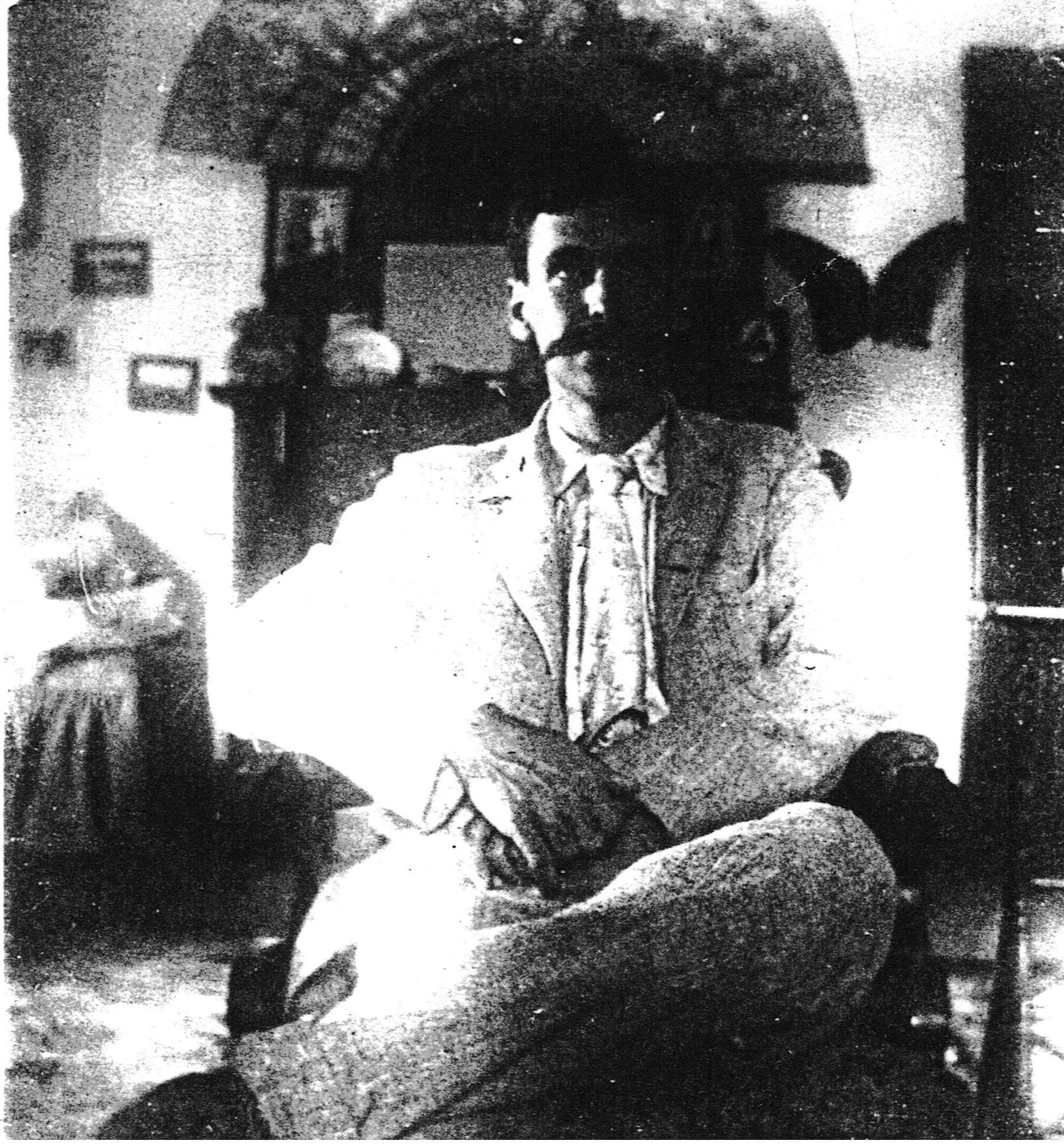
George L. Gerard (1869-1936) was the son of Winchester’s sister Estelle, and he came to California with his aunt, mother and sister after the acrimonious divorce of his parents. George became a druggist and spent his career in San Francisco where he was active in a pharmacists’ union. He married in 1905, but the couple did not have children. In around 1912, George filed for bankruptcy. It was somehow remedied, and he continued working in his field until his death at age 66.
Sarah Winchester’s sister, Nettie Sprague, had three sons. The eldest, Charles H Sprague (1856-1928) studied law at Boston University and practiced there for his long career. He married in 1877 and the couple had a daughter and a son. At the time of Charles’ early life, Aunt Sarah lived in nearby. There is little that connects them as their lives went on, particularly after she moved to California. At the time of Winchester’s death, Charles had two living children and one living grandchild.
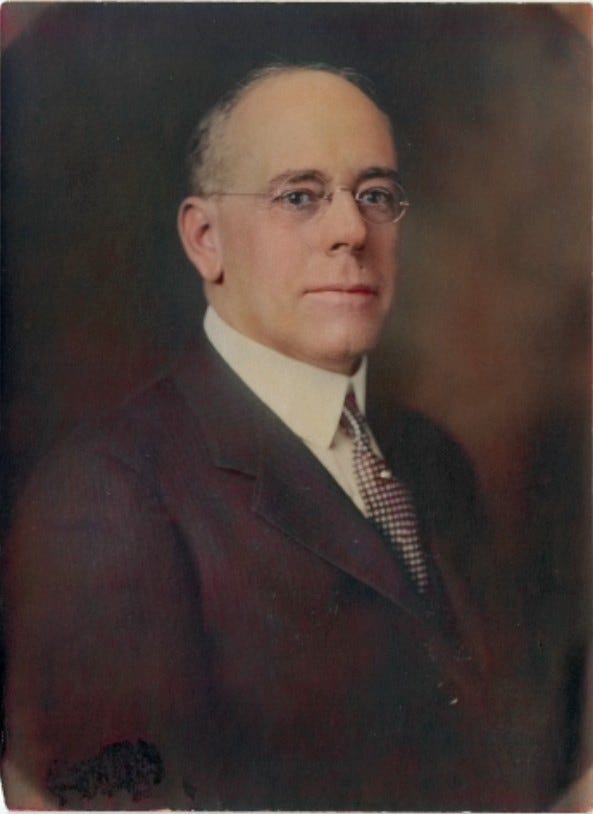
William P. Sprague (1860-1934) visited Sarah Winchester at her ranch in San José on a few occasions. He was a physician who “developed an apparatus for the treatment of bronchial and pulmonary complaints.” (San Francisco Examiner, February 29, 1892.) By 1896, he had set aside his medical practice and joined a theatre company. “He has a right to be a Shakespearean impersonator,” claimed a favorable review. (SF Call Bulletin, February 13, 1896.) He explained that when he was a child, his father drilled him in elocution every morning and he had memorized passages of Shakespeare’s plays.
Dr. Sprague borrowed money from Aunt Sarah. There are a few versions of “the ask” and they are probably exaggerated. One said he cabled his aunt to say that his physician said he would die if he did not have $5,000 to take a rest at Carlsbad (California). As the story goes, she ignored the request, but when he turned up in person, she said to him, “So. You are not dead.” (San Jose Evening News, September 20, 1922). Dr. Sprague married twice but did not have children.
Goldwin “Goldie” Sprague (1869-1938) had moved to California with his parents and Aunt Sarah in 1885. After attending University of North Dakota when his father was president there, he returned to the East and married. He was an outdoors enthusiast, for a time was a bicycle dealer, and official papers named him as a manufacturer of skis. At the time of Sarah Winchester’s death he had two adopted children. (BTW, Winchester had early on instructed her lawyer to consider adopted children the “same as natural issue”).
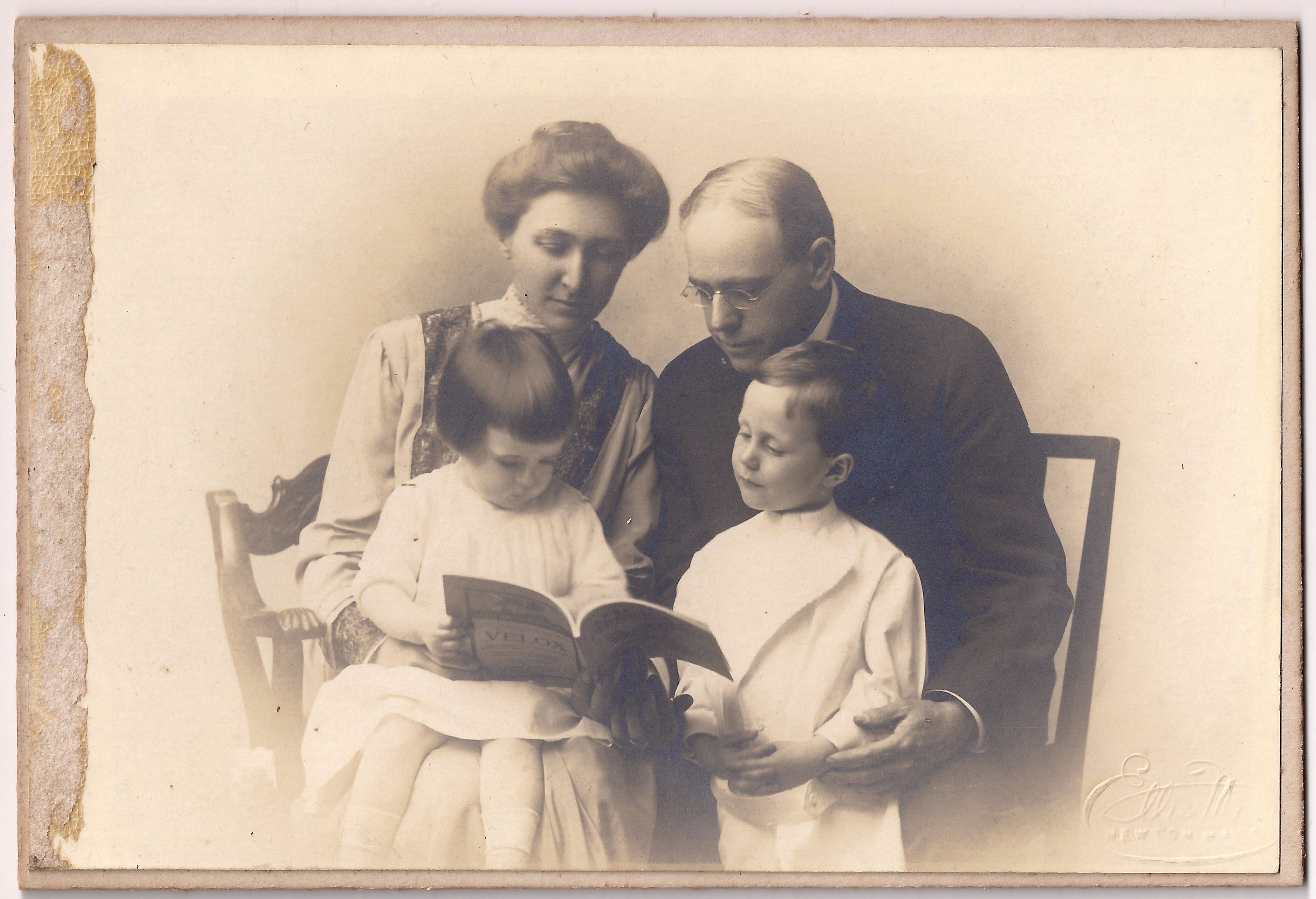
We’ll never know Mrs. Winchester’s reasoning as to why her nephews’ children and grandchildren were not beneficiaries even though those of her nieces were. There is no record of complaint, and it is even possible the nephews never knew. What is certain is that Sarah Winchester left a pattern of precise analysis in financial matters, and it is likely that the estate was set up just as she wanted it.
I received a comment that it can be difficult to follow the network of related characters. It might help to see the chart entitled “Sarah Winchester’s Heirs” which appears in Captive of the Labyrinth [2022] p. 224.
very interesting......she probably thought the women would be better stewards of her fortune than the men!